Is Tyvek 100% Waterproof?
Apr 01, 2026
Tyvek is not 100% waterproof, but it is significantly waterproof, meeting the needs of most everyday and industrial scenarios. The specific analysis is as follows:
Material Characteristics and Waterproofing Principle: Tyvek is made from high-density polyethylene (HDPE) by flash. Its dense fiber structure and non-woven characteristics give it naturally waterproof. Liquid water is difficult to penetrate due to high fiber density, but gas and water vapor can escape through the microporous structure to achieve a waterproof and breathable balance. This feature makes it excellent moisture and splash resistance, while also preventing internal stuffiness and moisture buildup.
Limitations of Waterproof Performance: Hydrostatic Pressure: Tyvek's waterproof performance is usually measured by static pressure (mm). Standard models can withstand hundreds of millimeters of water column pressure, but extreme pressure or prolonged soaking can cause leakages.
Extreme conditions: Without special treatment, Tyvek may not be able to completely block moisture from high pressure currents or prolonged heavy rain.
Seams and openings: The waterproofing of Tyvek bags also depends on the sewing process and opening design. If there is no waterproof seal or composite material to handle seams, liquid may seep through the cracks.
Application Suitability
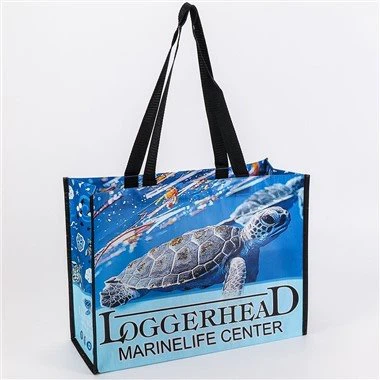
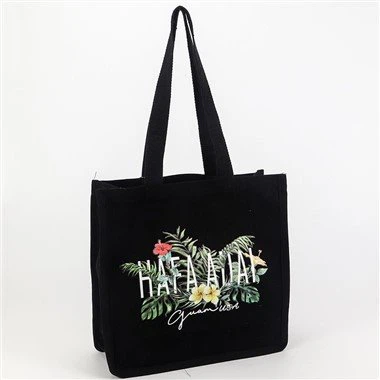
Everyday use: Tyvek bags is easy to handle short bursts of rain and drink splashes and is suitable for light waterproofing needs such as commuting and shopping.
Industry and medicine: Through composite PU coatings or in combination with other materials, Tyvek can achieve higher water resistance in harsh environments such as medical packaging and building waterproofing.
Outdoor activities: Some outdoor brands use Tyvek to create lightweight raincoats or backpack linings that improve waterproofing through structural optimization and coating treatments.
Comparison with Absolutely Waterproof Materials
Plastic film: such as PE or PVC film, can achieve 100% waterproofing, but poor breathability, easy to cause stuffiness and moisture buildup.
Gore-Tex: Balancing waterproofing and breathability through microporous membrane technology, but at a higher price, mainly for high-end outdoor products.
Tyvek strikes a balance between cost, environmental protection and overall performance, making it a more cost-effective option.