How Is Tyvek Bag Environmentally Friendly?
Mar 15, 2026
Material Recyclability: Tyvek is made from 100% high-density polyethylene (HDPE). Plasticizers or restricted chemicals listed in EU directives are not added to production process and are allowed to be recovered 100% through existing processes and advanced technologies. Its recycling process converts into HDPE granules that can be used to manufacture new plastics, forming a closed-loop system.
4.Byproduct of environmental combustion: When fully burned, Tyvek produces only water and carbon dioxide, releases no toxic substances or residual solid waste, and avoids secondary contamination of soil and water sources.
Environmentally Friendly Production Process: Tyvek production facilities complies with ISO 14001 environmental management system standards to reduce carbon emissions and resource consumption during production by optimizing energy use and waste management. Some production lines are ISCC PLUS certification and use renewable raw materials and electricity to further reduce their carbon footprint.
Product Durability: Tyvek is lightweight, strong, tear and puncture resistant and has a much longer service life than traditional plastic bags. Its high intensity reduces the risk of breakage during transport and the need for secondary packaging, thus reducing resource consumption and waste generation.
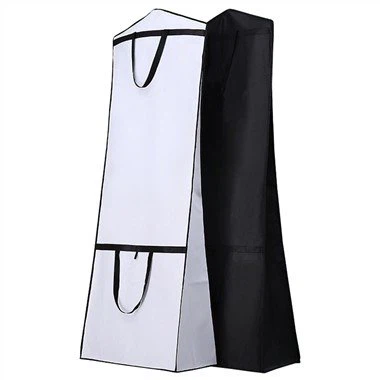
Sustainable Design Applications: Tyvek is reusable, washable, resistant to deformation and extends product lifecycles. Designers creatively transform them into fashion, culture and creative products, increasing the material's added value and recycling rate. The brand ZEALWOOD, for example, has designed Tyvek packaging bags as reusable storage bags that combine practicality with the environment.
Corporate Corporate Recycling Programs: DuPont has partnered with Dongguan Nishifu Fiber Technology Co., Ltd. to launch the the Tyvek recycling program, which recycles unprinted or printed materials into recyclable particles for use in new products. At the same time, through the "Zero Waste" program, industrial waste is provided to charity project designers to promote material recycling.