

What materials are used to make non woven storage boxes?
Nov 18, 2025
Non woven storage boxes have become increasingly popular in recent years due to their versatility, durability, and cost - effectiveness. As a supplier of non woven storage boxes, I am often asked about the materials used in their production. In this blog post, I will delve into the various materials that go into making these useful storage solutions.
Polypropylene (PP) Non Woven Fabric
The most common material used in non woven storage boxes is polypropylene (PP) non woven fabric. Polypropylene is a thermoplastic polymer that is known for its excellent chemical resistance, high melting point, and good mechanical properties.
The non woven fabric is made through a process called spunbonding or melt - blowing. In spunbonding, continuous filaments of polypropylene are extruded from a spinneret, laid down on a conveyor belt, and then bonded together using heat or chemicals. This results in a fabric that is strong, lightweight, and breathable.
One of the key advantages of PP non woven fabric is its durability. It can withstand regular use, folding, and unfolding without tearing or losing its shape. This makes it ideal for storage boxes that need to be moved around, stacked, or stored in different positions. Additionally, polypropylene is resistant to moisture, mold, and mildew, which helps to protect the items stored inside the boxes.
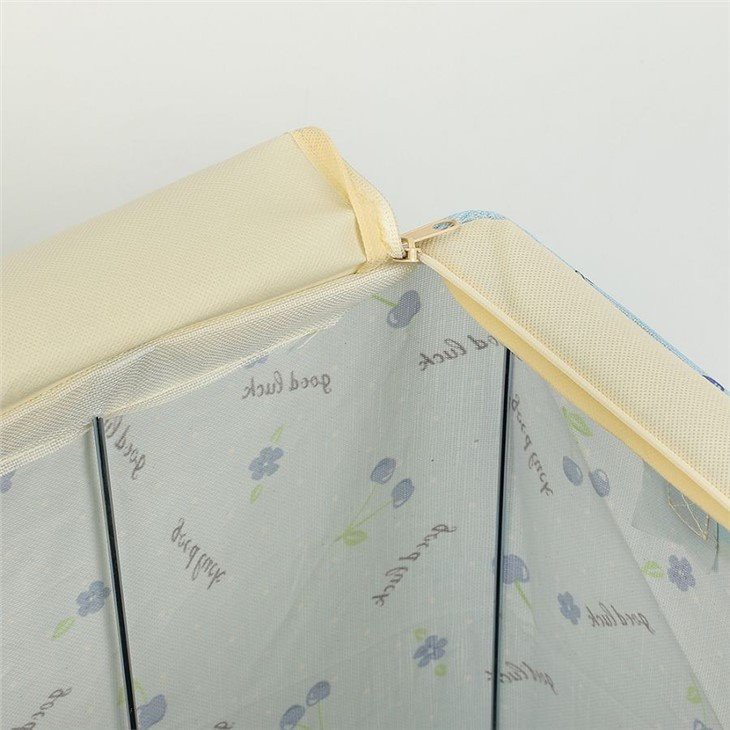
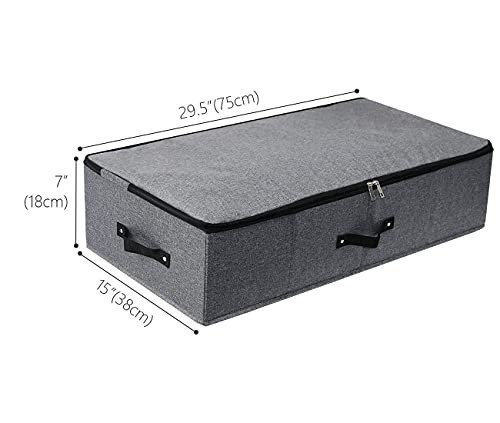
PP non woven fabric also comes in a wide range of colors and patterns, allowing for customization of the storage boxes. Whether you need a plain white box for a minimalist look or a brightly colored box to add a pop of color to your storage area, there is a PP non woven fabric option available. You can explore our Foldable Storage Boxes for Clothes, which are made from high - quality PP non woven fabric and are perfect for keeping your wardrobe organized.
Reinforcement Materials
To enhance the strength and stability of non woven storage boxes, reinforcement materials are often used. One common reinforcement material is cardboard. Cardboard inserts are placed inside the non woven fabric to provide additional support and structure.
The cardboard used in non woven storage boxes is typically made from recycled paper fibers. It is lightweight yet strong enough to hold the shape of the box and prevent it from collapsing under the weight of the stored items. Cardboard inserts can be cut to specific sizes and shapes to fit different types of storage boxes, such as rectangular, square, or under - bed storage boxes.
Another reinforcement option is plastic frames. Plastic frames are usually made from polyvinyl chloride (PVC) or high - density polyethylene (HDPE). These frames are inserted into the corners and edges of the non woven storage boxes to provide extra rigidity. Plastic frames are especially useful for larger storage boxes or boxes that need to be stacked on top of each other. Check out our Black Foldable Under Bed Storage, which features a sturdy plastic frame for added durability.
Lining Materials
In some cases, non woven storage boxes are lined with additional materials to protect the stored items and improve the overall appearance of the boxes. One popular lining material is polyester fabric.
Polyester is a synthetic fiber that is known for its smooth texture, wrinkle resistance, and colorfastness. A polyester lining can prevent the non woven fabric from rubbing against the stored items, which helps to prevent damage. It also gives the inside of the storage box a more finished and professional look.
Silk - like linings are also used in high - end non woven storage boxes. These linings provide a soft and luxurious feel, making them suitable for storing delicate items such as jewelry, lingerie, or collectibles.
Handles and Fasteners
The handles and fasteners used in non woven storage boxes are also important components. Handles are typically made from plastic or fabric. Plastic handles are strong and durable, while fabric handles can be more comfortable to grip.
Fasteners, such as zippers, snaps, or Velcro, are used to open and close the storage boxes. Zippers are a popular choice as they provide a secure closure and are easy to use. Snaps are also commonly used, especially for boxes that need to be opened and closed frequently. Velcro is a convenient option for quick access and can be easily adjusted.
Environmental Considerations
As a responsible supplier, we are committed to using environmentally friendly materials in our non woven storage boxes. Polypropylene non woven fabric can be recycled, and many of our cardboard inserts are made from recycled paper. By choosing our non woven storage boxes, you are not only getting a high - quality storage solution but also contributing to a more sustainable environment.
Conclusion
Non woven storage boxes are made from a combination of materials, each chosen for its specific properties and benefits. Polypropylene non woven fabric forms the base of the boxes, providing strength, durability, and breathability. Reinforcement materials such as cardboard and plastic frames enhance the structure, while lining materials protect the stored items. Handles and fasteners ensure easy access and usability.
If you are in the market for non woven storage boxes, we offer a wide range of options to meet your needs. From Foldable Storage Boxes for Clothes to Black Foldable Under Bed Storage and Non Wove Folding Storage Boxes, our products are made with high - quality materials and are designed to last.
We are always happy to discuss your specific requirements and provide you with the best storage solutions. Whether you are a retailer looking to stock our products or an individual in need of storage for your home, we invite you to contact us for more information and to start a procurement negotiation. We look forward to working with you to find the perfect non woven storage boxes for your needs.
References
- "Non - Woven Fabrics: Structure, Properties, and Applications" by A. R. Horrocks and S. C. Anand.
- "Plastic Polymers: A Comprehensive Guide" by R. A. Young and P. A. Lovell.
- "Cardboard Packaging: Design and Manufacturing" by W. R. Schult.