

Do non woven garment bags have a long lifespan?
Dec 26, 2025
Non woven garment bags have become a popular choice for storing and transporting clothing due to their affordability, lightweight nature, and customizable features. As a supplier of non woven garment bags, I often receive questions from customers about the lifespan of these products. In this blog post, I will explore the factors that affect the longevity of non woven garment bags and provide insights into how you can maximize their use.
Understanding Non Woven Fabric
Non woven fabrics are made by bonding or interlocking fibers together through mechanical, chemical, or thermal processes, rather than weaving or knitting them. This manufacturing method results in a fabric that is strong, durable, and resistant to tearing. Non woven fabrics used in garment bags are typically made from polypropylene, a synthetic thermoplastic polymer known for its excellent chemical resistance, low density, and high melting point.
Factors Affecting the Lifespan of Non Woven Garment Bags
The lifespan of non woven garment bags can vary depending on several factors, including the quality of the fabric, the frequency of use, the storage conditions, and the type of clothing stored inside.
Quality of the Fabric
The quality of the non woven fabric used in the garment bag is a crucial factor in determining its lifespan. Higher quality fabrics are typically made from thicker and more densely packed fibers, which provide better durability and resistance to wear and tear. When choosing a non woven garment bag, look for products that are made from high-quality materials and have a high GSM (grams per square meter) rating. A higher GSM rating indicates a thicker and more durable fabric.
Frequency of Use
The frequency of use also plays a significant role in the lifespan of non woven garment bags. If you use the garment bags frequently, they are more likely to experience wear and tear over time. For example, if you travel frequently and use the garment bags to transport your clothing, the bags may be exposed to rough handling, friction, and other factors that can damage the fabric. On the other hand, if you only use the garment bags for occasional storage, they are likely to last longer.
Storage Conditions
The storage conditions can also affect the lifespan of non woven garment bags. If the bags are stored in a damp or humid environment, they may be more prone to mold and mildew growth, which can weaken the fabric and reduce its lifespan. Additionally, if the bags are stored in direct sunlight or near a heat source, the fabric may fade or become brittle over time. To maximize the lifespan of your non woven garment bags, store them in a cool, dry place away from direct sunlight and heat sources.
Type of Clothing Stored
The type of clothing stored inside the non woven garment bag can also impact its lifespan. Heavy or bulky clothing, such as winter coats or suits, may put more strain on the fabric and cause it to stretch or tear over time. Additionally, clothing with sharp edges or accessories, such as zippers or buttons, can also damage the fabric. To prevent damage to the garment bags, choose clothing that is appropriate for the size and capacity of the bags, and avoid storing clothing with sharp edges or accessories inside.
Maximizing the Lifespan of Non Woven Garment Bags
While the lifespan of non woven garment bags can be affected by several factors, there are several steps you can take to maximize their use and ensure they last as long as possible.
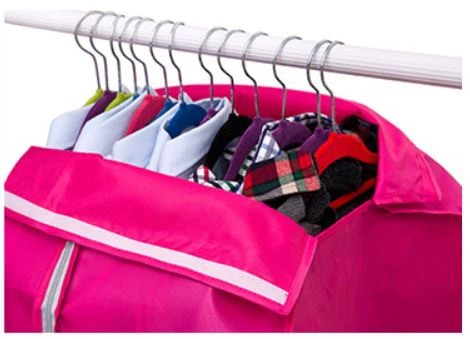
Choose High-Quality Products
As mentioned earlier, the quality of the non woven fabric used in the garment bag is a crucial factor in determining its lifespan. When choosing a non woven garment bag, look for products that are made from high-quality materials and have a high GSM rating. Additionally, consider purchasing garment bags from a reputable supplier who offers a warranty or guarantee on their products.
Handle with Care
To prevent damage to the non woven garment bags, handle them with care. Avoid pulling or tugging on the bags, and be gentle when zipping and unzipping them. When transporting the bags, use a garment rack or hanger to keep the clothing organized and prevent the bags from getting tangled or crushed.
Clean Regularly
Regular cleaning can help to extend the lifespan of non woven garment bags. To clean the bags, simply wipe them down with a damp cloth or sponge and mild detergent. Avoid using harsh chemicals or abrasive cleaners, as these can damage the fabric. Allow the bags to air dry completely before storing them.
Store Properly
Proper storage is essential for maximizing the lifespan of non woven garment bags. As mentioned earlier, store the bags in a cool, dry place away from direct sunlight and heat sources. Additionally, avoid storing the bags in a tightly packed space, as this can cause the fabric to become compressed and lose its shape. Instead, hang the bags on a garment rack or hanger to keep them organized and prevent them from getting wrinkled or damaged.
Comparing Non Woven Garment Bags to Other Types of Garment Bags
Non woven garment bags are not the only option available for storing and transporting clothing. Other types of garment bags include plastic, fabric, and leather. Each type of garment bag has its own advantages and disadvantages, and the choice of which type to use will depend on your specific needs and preferences.
Plastic Garment Bags
Plastic garment bags are a popular choice for storing and transporting clothing due to their affordability and transparency. They are also waterproof and can protect clothing from dust, dirt, and moisture. However, plastic garment bags are not as durable as non woven or fabric garment bags and may tear or puncture easily. Additionally, plastic garment bags can trap moisture inside, which can lead to mold and mildew growth.
Fabric Garment Bags
Fabric garment bags are a more durable and stylish option than plastic garment bags. They are typically made from cotton, polyester, or a blend of both, and can provide better protection for clothing. Fabric garment bags are also breathable, which can help to prevent mold and mildew growth. However, fabric garment bags are more expensive than plastic or non woven garment bags and may require more maintenance.
Leather Garment Bags
Leather garment bags are the most expensive and luxurious option for storing and transporting clothing. They are typically made from high-quality leather and can provide excellent protection for clothing. Leather garment bags are also durable and can last for many years with proper care. However, leather garment bags require more maintenance than other types of garment bags and may be more prone to damage from moisture and sunlight.
Conclusion
In conclusion, the lifespan of non woven garment bags can vary depending on several factors, including the quality of the fabric, the frequency of use, the storage conditions, and the type of clothing stored inside. By choosing high-quality products, handling them with care, cleaning them regularly, and storing them properly, you can maximize the lifespan of your non woven garment bags and ensure they last as long as possible.
If you are in the market for non woven garment bags, I encourage you to explore our range of products. We offer a wide selection of Clothing Suit Cover Clothing Cover, Dress Covers Garment Bags, and Non-woven Clothes Dust Cover that are made from high-quality non woven fabric and designed to provide excellent protection for your clothing. Whether you need garment bags for travel, storage, or display, we have the perfect solution for you.
Contact us today to learn more about our non woven garment bags and to discuss your specific needs and requirements. Our team of experts is always available to answer your questions and provide you with personalized recommendations. We look forward to working with you!
References
- ASTM International. (2021). Standard Test Methods for Nonwoven Fabrics. Retrieved from ASTM website.
- Textile Institute. (2020). Handbook of Nonwovens. Woodhead Publishing.
- Smith, J. (2019). The Ultimate Guide to Garment Storage. Clothing Storage Magazine.