

How to measure a cotton garment bag?
Dec 18, 2025
As a seasoned supplier of cotton garment bags, I understand the importance of accurate measurements. Whether you're a retailer looking to stock our products or an individual in need of a high - quality storage solution, getting the right measurements is crucial. In this blog, I'll guide you through the process of measuring a cotton garment bag, ensuring that you make the most informed decision for your needs.
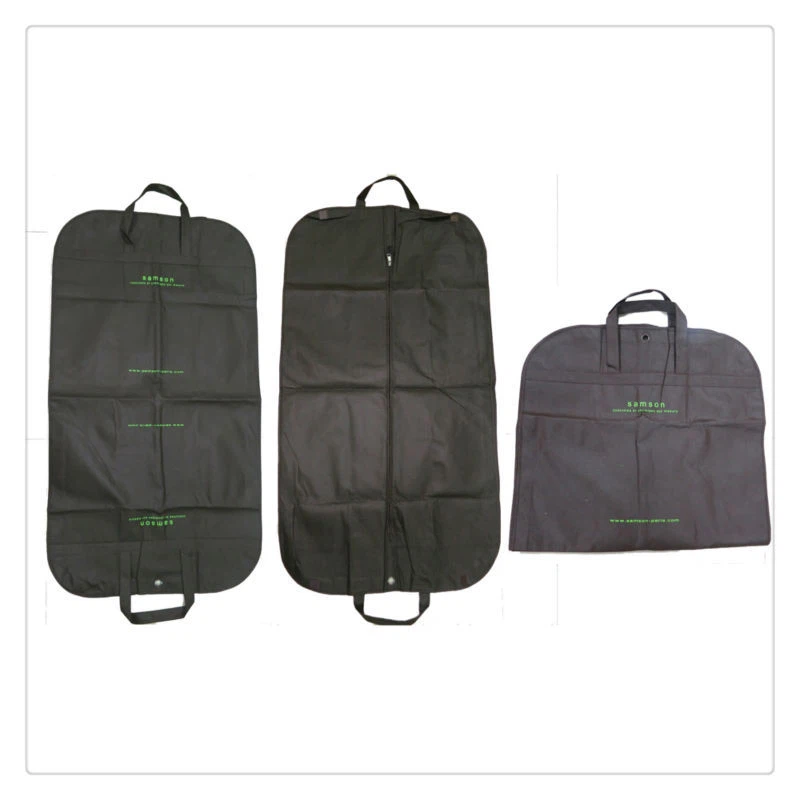

Why Accurate Measurements Matter
Before we dive into the measurement process, let's discuss why accurate measurements are so important. First and foremost, a well - fitting garment bag protects your clothes. If the bag is too small, it can cause wrinkles, creases, and even damage to the fabric. On the other hand, a bag that is too large may not provide adequate support, leaving your garments vulnerable to dust, dirt, and pests.
Secondly, accurate measurements are essential for storage. If you're planning to store your garment bags in a closet, on a shelf, or in a storage unit, you need to know the dimensions to ensure a proper fit. This is especially important if you're dealing with limited space.
Finally, for retailers, accurate measurements help with inventory management. By knowing the exact size of each garment bag, you can optimize your storage space and ensure that you have the right products in stock to meet customer demand.
Tools You'll Need
To measure a cotton garment bag accurately, you'll need a few basic tools:
- Measuring Tape: A flexible measuring tape is ideal for this task. It allows you to measure curved and straight edges easily.
- Pen and Paper: You'll need to record your measurements, so having a pen and paper handy is essential.
- Flat Surface: Place the garment bag on a flat surface to ensure accurate measurements. A table or the floor works well.
Measuring the Length
The length of a cotton garment bag is typically measured from the top of the bag to the bottom. Here's how to do it:
- Lay the garment bag flat on the surface. Make sure it is fully extended and not folded or bunched up.
- Start the measuring tape at the top edge of the bag. This could be the top of the zipper or the seam at the top.
- Stretch the measuring tape down to the bottom edge of the bag. Make sure the tape is straight and not curved.
- Read the measurement on the tape. Record this measurement in inches or centimeters, depending on your preference.
For most standard cotton garment bags, the length can range from 40 inches to 60 inches. Longer bags are suitable for full - length dresses, gowns, and coats, while shorter bags are better for shirts, blouses, and pants. You can find a variety of lengths in our Large Garment Bags for Storage collection.
Measuring the Width
The width of a cotton garment bag is measured across the widest part of the bag. Here's the process:
- Keep the bag flat on the surface.
- Place the measuring tape at one side edge of the bag.
- Stretch the tape across to the opposite side edge. Make sure the tape is parallel to the bottom of the bag.
- Read the measurement and record it.
The width of a garment bag can vary depending on its intended use. For single - item storage, a width of 20 - 24 inches is common. However, for storing multiple garments or wider items like suits, you may need a wider bag. Our Personalised Suit Bag offers a range of widths to accommodate different needs.
Measuring the Depth
The depth of a cotton garment bag is important, especially if you're storing bulky items. To measure the depth:
- Stand the garment bag up on its bottom edge.
- Place the measuring tape at the front edge of the bag.
- Stretch the tape to the back edge of the bag. Make sure the tape is perpendicular to the bottom of the bag.
- Record the measurement.
The depth of a garment bag can range from 2 inches to 6 inches. Deeper bags are suitable for storing items with padding, such as winter coats or jackets.
Measuring the Opening
The opening of a cotton garment bag is where you insert your clothes. Measuring the opening is important to ensure that your garments can fit easily. Here's how:
- Lay the bag flat again.
- Measure the width of the opening at the top of the bag. This is usually where the zipper is located.
- Measure the height of the opening from the top of the bag to the lowest point of the opening.
- Record both measurements.
The size of the opening can vary depending on the design of the bag. A larger opening makes it easier to insert and remove garments, especially bulky ones.
Special Considerations
When measuring a cotton garment bag, there are a few special considerations to keep in mind:
- Zipper Length: If the bag has a zipper, measure the length of the zipper. This can affect how easy it is to open and close the bag.
- Hanger Loop: Measure the size of the hanger loop at the top of the bag. This is important if you plan to hang your garments in the bag.
- Folds and Pleats: Some garment bags may have folds or pleats for added durability or style. Make sure to measure the bag when it is fully extended, ignoring any folds or pleats.
Conclusion
Measuring a cotton garment bag accurately is a simple yet important process. By following the steps outlined in this blog, you can ensure that you choose the right bag for your needs. Whether you're looking for a bag to store a single suit or multiple dresses, our Best Cotton Garment Bags collection offers a wide range of sizes and styles to choose from.
If you're a retailer interested in stocking our cotton garment bags or an individual looking to make a bulk purchase, we'd love to hear from you. Contact us to discuss your requirements and start a procurement negotiation. We're committed to providing high - quality products at competitive prices and excellent customer service.
References
- Textile Measurement Standards Handbook
- Garment Storage and Packaging Guidelines