Thermal Transfer Printing
Jul 06, 2022
Thermal transfer printing
Thermal transfer printing is an emerging printing process that has only been introduced from abroad for more than 10 years. The process printing method is divided into two parts: transfer film printing and transfer processing. The transfer film printing adopts dot printing (resolution up to 300dpi), and the pattern is pre-printed on the surface of the film. The printed pattern is rich in layers, bright in color and ever-changing. , small chromatic aberration, good reproducibility, can achieve the desired effect of the designer, and suitable for mass production.


The transfer printing process transfers the exquisite pattern on the transfer film to the surface of the product through one-time processing (heating and pressure) of the thermal transfer machine. However, due to the high technical content of this process, many materials need to be imported.
Thermal transfer printing is divided into Yihe thermal transfer printing (a printing method suitable for large quantities) and digital thermal transfer printing (suitable for small quantities and making their own unique products)
The difference between the two:
Thermal transfer production process:
The first step. Make high-resolution pictures;
The second step. According to the size of the picture, make a dot-type gravure electric engraving plate;
The third step. Install the gravure on the printing machine and print it on the PET polyester film to print it into a heat transfer printing film, which can print thousands of meters of finished patterns in one hour.
The fourth step. Install the heat transfer printing film on the heat transfer printing machine for printing, the operation is simple, the pattern is formed at one time, and no color registration is required.
A thermal transfer stamping machine can print tens of thousands of products in 8 working hours a day.
Can be applied to ABS, PE, PP, EVA, leather, stainless steel, glass, wood, coated metal.

Digital heat transfer production process:
Step 1. Create a high-resolution image;
The second step. Print the pattern on the thermal transfer paper through the thermal transfer printer, hundreds of meters per hour;
The third step. The pattern can be printed on the product with ordinary machinery such as a hot stamping machine. The operation is simple, the pattern is formed at one time, and no color registration is required;
A machine can print thousands of products in 8 working hours a day.
Can be applied to ABS, PP, leather, ceramic coated cups

Why choose thermal transfer in large quantities? Should you choose digital thermal transfer for a small quantity?
Because thermal transfer printing needs to make electroengraving, and digital thermal transfer does not need to make electroengraving. In contrast, the cost of thermal transfer is relatively high, but why do people choose thermal transfer when the quantity is large? In addition to the quality problem, the most important issue is productivity. Thermal transfer can print thousands of products in one hour. , but digital thermal transfer can only print about 100 items in one hour. Therefore, if it is just to make some commemorative gifts, people will choose digital thermal transfer, but if the manufacturer needs to print, they will choose thermal transfer.
1. The pictures are exquisite and can be completed by ordinary hot stamping machine and heat transfer machine.
2. Apply inktrk thermal transfer ink, no need for color, the pattern is formed at one time, no need to register.
3. With C-AW thermal transfer paper, you only need to print it out, the operation is simple, the printing is exquisite, and the production cost is low.
4. The product loss is small, the added value is high, and the process decoration is strong.
5. High covering power and strong adhesion.
6, in line with green printing standards, no environmental pollution.
feature
What is thermal transfer printing? Thermal transfer printing is a new method of printing patterns on goods of various materials, especially suitable for making small and diverse personalized and customized goods, and printing patterns containing full-color images or photos. The principle is to print the digital pattern on the special transfer paper with special transfer ink through the printer, and then use the special transfer machine to accurately transfer the pattern to the surface of the product at high temperature and high pressure to complete the product printing.
A digital printing machine that can perform one-time multi-color, any complex color, transition color printing on any relatively flat materials such as leather, textile fabrics, plexiglass, metal, plastic, crystal, wood products, coated paper, etc. It does not require plate making , color registration and complex drying procedures will not cause damage to the material. Since the product was launched, it has been highly praised by people in various industries, and more and more factory customers have made secondary purchases.
Thermal transfer technology can also use a variety of different transfer materials to achieve different printing effects. The most important ones are film transfer and sublimation transfer.
Film transfer
The transfer paper for film transfer contains colloid, and then the colloid pattern is printed on the surface of the product by means of high temperature and high pressure. Imported transfer paper and ink, the printed colloidal pattern is very thin, breathable, non-stick, non-cracking, washable and does not fall off; different from many domestic transfer papers, the printed colloidal pattern is thick and often. It has the disadvantage of sticking and cracking. 100% cotton clothes are printed with film transfer technology.
Sublimation transfer
Sublimation transfer is a new generation technology, using special sublimation ink and sublimation transfer paper. The pattern will not produce gum when it is printed on the product. If it is transferred to the clothes, the ink is directly sublimated into the fibers of the clothes, and the firmness is the same as that of cloth dyeing. For example, quick-wicking sweatshirts and Physical comfort shirts use sublimation transfer technology.
Heat transferable goods
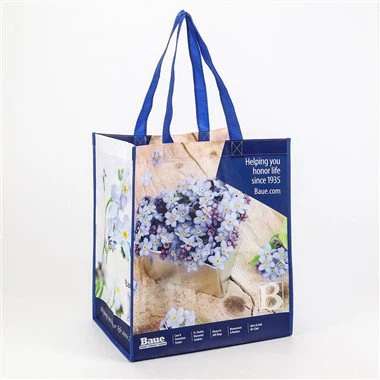
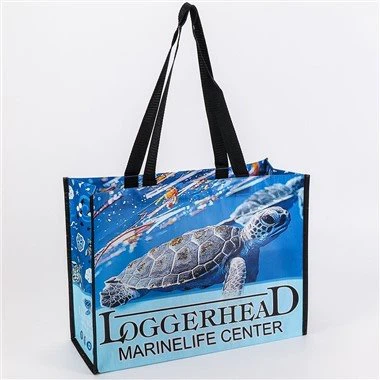
Not all products can be printed with thermal transfer printing, which involves factors such as heat resistance and smoothness of the product. Due to the continuous advancement of technology, the products that have been maturely developed using thermal transfer technology include: clothes, cloth bags, hats, pillows, mugs, tiles, watches, mouse pads, coasters, calendars, medals, pennants, etc. Hundreds of products.
transfer printing of textiles
Common textile transfer techniques are film transfer and sublimation transfer. (1) Sublimation transfer printing: The technology is mainly applicable to clothes with polyester fibers on the surface, such as quick-wicking sweat shirts and Physical comfort shirts, and white clothes are the best (the position of the printed pattern is white, but the color of the clothes is white. Other parts can be other colors, such as colored sleeves). After digital sublimation is used for colored clothes, the fusion of ink and colored fibers will make the color of the pattern different from the original, so it is not recommended to use it. (2) Film transfer: The technology is mainly used for clothes with extremely high cotton content. All colors can be transferred by film, but dark clothes should use the higher-priced "transfer paper for dark clothes", which is heavy in glue and unstable in quality.
Printing on Ceramics
Ceramic products use thermal sublimation transfer printing. At a high temperature of about 200 degrees Celsius, the ink is sublimated to the product, with sharp colors and high pattern reliability. However, the general mug cannot be directly transferred, and the pattern must be transferred after a special coating.
To get such a strong market feedback is all expected, because the machine has the following advantages:
easy to print
——It does not need the steps of making plates, printing plates, and repeating color registration, and does not need various types of tools and materials required by screen printing and thermal transfer methods. With a universal printer, you only need to prepare an ordinary computer. A machine operator can completely independently perform printing operations, saving manpower and material resources, and the method is simple and desirable immediately. The experience requirements for the machine operator are low, as long as they understand simple image processing software.
not damaged
——It can be printed not only on tough crystal, stone, metal, glass and other materials, but also on soft leather, cloth, cotton and other materials; it can be printed on inorganic materials, and can also be printed on Composed of complex and ever-changing organic matter. It has more and better compatibility with materials, avoids the problem of screen printing and water transfer material selection, and also avoids the damage of thermal transfer printing to organic materials such as leather, fabric, and cotton. It caters to the diversified needs of the market and can better provide users with more comprehensive production services.
accurate location
Avoid the problem of position offset encountered in manual printing - the universal printer no longer follows the traditional printing mode and method, and is no longer the simple manual operation and manual printing in the past. It is combined with high-tech computer synthesis and automatic control technology. With a better organic combination, the area and position to be printed can be aligned very accurately, avoiding the problem of position offset encountered by manual printing. Since it is a one-time multi-color printing, there will be no problem of color registration. These advantages can also be very effectively combined with engraving and etching, printing beautiful pictures in the engraved area, or performing precise etching after printing, etc., and can also achieve good breakthroughs in the engraving industry.
picture printing
——Traditional printing methods, such as silk screen printing, cannot achieve the transition of all colors according to the picture, so the effect of silk screen printing will have clear color boundaries. Between two colors, it is difficult to reflect the color transition according to the picture itself. However, many products need to print trademarks, logos and other high-precision and high-complexity patterns, which are more widely used in the gift and handicraft industries. Universal printers can perfectly meet this demand, fully reflecting the strong market potential. It broke through the bottleneck brought by screen printing, thermal transfer printing and other printing methods, and found a new profit growth point for customers.
Professional use
——The universal printer can change the content of printing at any time, change the effect of printing, and can perform one-to-one digital printing without the tedious plate making. Many products have product codes on the metal nameplates behind them, and each group of codes corresponds to each For example, factory employees’ badges and work permits can also be printed according to one-to-one numbers, and head photos can also be added. The production procedure is simple and the cost is low.
Diversified printing
——As far as the printing industry is concerned, there are more professional industry distinctions, such as traditional printing in the leather industry: screen printing with a single color and simple transition color; large leather printing machines are expensive and require high materials; thermal transfer will destroy material. The traditional printing method in the crystal industry is the crystal film process. The plexiglass industry uses screen printing, while the metal industry uses thermal transfer printing. So once you have a universal printer, you have a stronger competitive advantage than your peers.
Thermal transfer is divided into two types: flat transfer and curved transfer. Flat transfer can only transfer flat things, while curved transfer has achieved a breakthrough in transfer, realizing that any object can be printed. Meilun Vision's surface transfer equipment has realized the function of any specification and can be customized, breaking through the bottleneck of the transfer industry
Professional thermal transfer equipment is required, and for ceramics, metals and other items, a thermal transfer coating is required on the surface.
First. The pattern feels a little hard to the touch and has poor air permeability. After washing, it will become softer, but the air permeability is still relatively poor.
Second. When the thermal transfer T-shirt is pulled horizontally, the pattern will have tiny cracks corresponding to the fabric fibers. This is caused by the characteristics of thermal transfer itself and cannot be avoided.
Third. The color of the T-shirt will change after high temperature ironing, such as white will turn yellow. This is caused by the evaporation of the moisture in the T-shirt
Fourth, thermal transfer printing uses sublimation ink to print the picture on the transfer paper first, and then transfer it to the surface of the medium. There are several difficult problems: color deviation and positioning deviation, the finished picture is also easier to scrape off, firm Poor performance, generally need to spray a layer of protective film. In addition, the transfer of special media also requires flexographic printing.
Fifth. Skilled printers with many years of experience are required.