How Do Different Materials Of Bottled Wine Bags Affect The Preservation Of Wine?
Apr 15, 2025
Different materials of bottled wine bags have different degrees of influence on the preservation of wine
1. Glass bottle body
The glass bottle body is one of the most common forms of wine packaging, and its characteristics are as follows
Advantages: no harmful substances, smooth surface, easy to clean and recycle. It will not cause physical or chemical effects on the product, and can well protect the wine from external influences, which is conducive to the aging and maturation of the wine. At the same time, wine in glass bottles is more resistant to high temperatures, stored longer, and less susceptible to deterioration.
Disadvantages: Glass bottle body is not easy to decompose, easy to cause environmental pollution, but easy to recycle.
Second, plastic materials
Plastic bottles also have a certain application in wine packaging, but the choice needs to pay attention to health and environmental issues, and its impact on wine preservation is as follows
Advantages: Low cost, lightweight.
Disadvantages: not easy to decompose, easy to cause garbage pollution. At the same time, the oxygen permeability of the plastic bottle is poor, and the plastic material (especially the plastic bag in direct contact with the wine) is more likely to make the red wine acidified and deteriorated due to contact with oxygen. Therefore, plastic bottles are not suitable for long-term storage of wine.
Third, ceramic materials
Ceramic bottle body is an emerging packaging material, diversified in color and shape, more collection value, and its impact on wine preservation is as follows
Advantages: The material is relatively thick, usually used for the packaging of high-end wine such as aged wine, and the environmental protection is better.
Disadvantages: high cost, low production efficiency.
4. Paper materials
Paper materials (including paper bags, cardboard boxes, etc.) are another option for wine packaging, and their effects on wine preservation are as follows:
Advantages: Cardboard boxes and paper bags are currently more common environmentally friendly packaging materials, and beautiful appearance, with a certain pressure resistance and moisture resistance.
Disadvantages: poor adaptability to external environment such as humidity and vibration, which is easy to reduce product quality. At the same time, the possibility of containing harmful substances such as ink is high, and special attention needs to be paid to whether it meets the hygiene standards of food packaging.
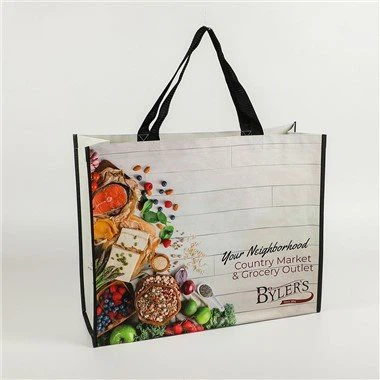
Five, non-woven materials
Non-woven wine bags usually use food-grade non-woven materials, which have the following effects on wine preservation:
Advantages: Excellent filtration performance, wear resistance, can effectively filter suspended matter in wine, maintain the purity and taste of wine. It has certain high temperature resistance and acid resistance, and can adapt to various wine storage conditions. Light and easy to carry, whether it is a party, picnic or travel, can effectively protect the wine bottle to prevent collision or falling.
Disadvantages: high sensitivity to temperature and odor, need to pay attention to the storage environment.