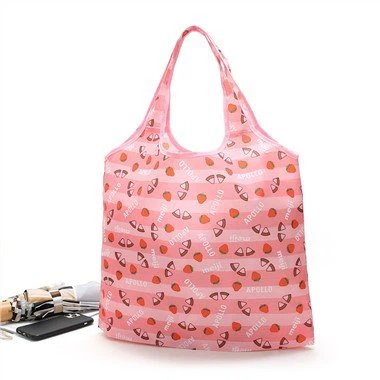

Cotton Shopping Bags: A New Fashion Option For Sustainability Amid The Eco-wave
Dec 01, 2025
Guide: as environmental protection becomes a global consensus, the ``green revolution"of shopping bags is quietly coming.
In 2023, the global fight against plastic pollution entered a critical phase. Around 8 million tonnes of plastic waste enters the ocean each year, with shopping bags making up 12%, according to the United Nations Environment Programme. Meanwhile, consumer demand for sustainable products has soared, with 73% of global consumers willing to pay a premium for eco-friendly packaging, according to a report by market research firm Nielsen. With its natural materials, recyclability and fashion potential, the Pure Cotton Shopping Bag movement has been upgraded from an eco-friendly tool to a lifestyle icon, serving as a bridge between environmental awareness and everyday consumption.
I. The Environmental Gene of Cotton Shopping Bags: A Life Cycle Analysis from Raw Material to Treatment
1.Raw material traceability: Natural Natural Cotton The "Green Advantage"
The core raw material of cotton shopping bags is cotton, and its environmental performance runs through the whole process from planting, production to disposal.
Flexibility: Cotton is a natural fibre that is recycled annually and is not dependent on fossil fuels such as polyethylene, which is used in plastic bags.
Biodegradability: Waste can be completely decomposed in the natural environment for 1 to 5 years, while plastic bags are biodegradable for 20 to 1,000 years.
Low carbon footprint: Organic cotton cultivation reduces fertilizer use. A tonne of organic cotton can reduce carbon emissions by approximately 46% and save 62% per cent of water resources compared to traditional cotton farming.
For example, an eco-brand makes shopping bags from organic cotton certified by the Global Organic Textile Standard. It produces 30% less carbon emissions than regular cotton bags and has no harmful chemical residue.
2. Circular economy: Breakthroughs from 'one-off' to 'limitless time'
cotton shopping bags were originally design intention replace single-use plastic bags, and their durability makes them potentially "recyclable indefinitely":
How to use it: Premium cotton bags can be reused more than 500 times, while regular plastic bags last only 12 minutes.
Recycling value: Discarded cotton bags can be turned into soundproofing, car interiors and so on through textile recycling technology, from shopping bags to closed loop recycling of industrial materials.
Cost allocation: Although a single cotton bag costs 10 to 20 times the price of a plastic bag, the long-term cost is only 1/50 of the price of a plastic bag in terms of the number of times it is used.
Data: Research by the UK Environment Agency shows swapping cotton bags for plastic bags twice a week could reduce carbon emissions by approximately 90% after 52 weeks.
ii. Fashion Upgrade: How cotton shopping bags went from "eco-friendly tools" to "stylish items"
1. Design empowerment: from minimalism to artistic Versatile Styles
Cotton cotton shopping bags are The "fashionization 'for their the plasticity:
Minimalist style: pure cotton fabric with a simple logo, in line with the Nordic ``less is more"aesthetic, has become the standard dress for urban white-collar workers.
Art collaborations: Brands work with illustrators and museums to launch limited editions. For example, a brand has partnered with the British Museum to create a the "Egyptian Artifacts" series that incorporate cultural symbols into everyday life.
DIY culture: Blank cotton bags have become canvases for young people to express themselves. Creative innovations such as hand-painting, embroidery and tinkering have sparked a wave of "bag sharing" on social media.
For example, a fast fashion brand has launched an an "Eco-friendly Bag Transformation Competition." Users could earn points by uploading their DIY creations. During the event, the topic was viewed more than 100 million times.
2. Scene expansion: full packaging from supermarket to street.
The stylish nature of cotton shopping bags has helped it break through the "shopping scene" and become a "finishing touch" for everyday items:
Commuting scene: Large tote bag-shaped cotton bag can accommodate laptops and files. Pair it with an efficient and sophisticated blazer.
Casual scene: Mini foldable cotton bag can be packed into a handbag at any time in case of a sudden shopping need. It is lightweight and unburdened.
SOCIAL SETTING: Cotton bags with humorous slogans such as "Save the planet, one bag at a time" have become the talk of the day, conveying an eco-friendly attitude.
Trend: Spring/ summer 2023 saw multiple brands incorporated cotton shopping bags into their designs, marking their official entry into the high-end fashion world.
Iii. Consumer Insights: Who's paying for cotton shopping bags?
1. Core group: "Green consumerism" among Generation Z and the new middle class
Generation Z (18-25): They view the environment as "social currency" and are willing to pay a premium for branded cotton bags. 68% of consumers say they would increase their willingness to buy because of the brand's environmental protection actions.
New Middle Class (26-40 years old): Focuses on quality and practicality, favoring high-end materials such as organic cotton and washable materials. Their repurchase rate is 40% higher than the average user.
By 2023, Generation Z will account for 55% of China's cotton shopping bags sales, while the emerging middle class will account for 30%%, according to one e-commerce platform.
2. Purchasing motivation: environment, fashion and identity recognition drive
Eco-friendly: 72% of consumers buy cotton bags because they "use less plastic."
Fashion driven: 45% of consumers think cotton bags are 'prettier than plastic bags'
Identity recognition: 30% of consumers use cotton bags to prove their "environmentalist" identity.
An example: A celebrity took photos at the airport with a cotton bag emblazoned with the words "I'm not a plastic bag." The same plastic bags sold out overnight, confirming the "celebrity effect" of green consumption.
IV. INTRODUCTION Challenge and the future: How cotton shopping bags can go further
1. Existential pain points: the conundrum of environmental protection and cost balancing
Price sensitivity: Organic cotton costs 2-3 times more than regular cotton, leading to higher prices for high-end cotton bags.
Durability controversy: Some low-priced cotton bags are easily damaged, affecting consumers "green = durability awareness.
Clean energy consumption: Regular cleaning may offset environmental benefits (for example, clean cotton bags account for 15% per cent of carbon emissions throughout their life cycle).
Solutions
Technological innovation: Development of more wearable cotton fabrics (such as blended linen, recycled polyester);
Mode innovation: implementing ``old for new "project, extending the product life cycle;
Consumer education: Guide rational use (e.g. avoid excessive cleaning and sorting for recycling).
2. Future trends: the deep integration of technology and sustainability
Intelligent tracking: Embedding RFID chips to record usage frequency and carbon reduction data to improve users' sense access.
Biobased coatings: Development of degradable waterproof coating to solve the problem of water phobia in cotton bags;
Share model: Community share cotton bag rental stations to reduce personal ownership costs.
Outlook: By 2030, cotton shopping bags are expected to be upgraded from "alternatives" to "smart eco-terminals," serving as a link between personal consumption and global carbon reduction.
Prologue: "Green revolution" in shopping bags
The popularity of cotton shopping bags is not only a substitute for materials, but a revolution in consumer thinking,transforming the environment from an abstract concept to a convenient everyday option and bringing sustainable fashion from high-end runways to the high street. When consumers walk out of supermarkets with cotton bags in their hands, they are not only carrying merchandise, they are also committing to the Earth. As the environmental organization Plastic Freedom says: "Every time you choose a cotton bag, you are voting for the future." In this green wave, cotton shopping bags are no longer a simple thing, but a gentle footnote to humanity's harmony with nature.