

What is the load - bearing capacity of the wheels on folding storage bins (if applicable)?
Nov 27, 2025
Hey there! As a supplier of Folding Storage Bins, I often get asked about the load - bearing capacity of the wheels on these bins. It's a super important question, especially for those who plan to move their storage around frequently.

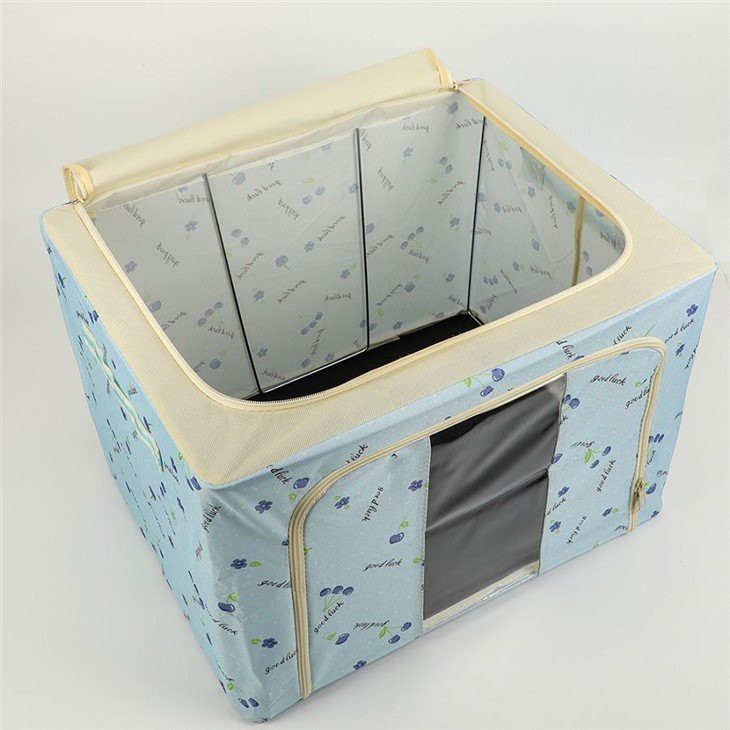
First off, let's understand what we're dealing with. Folding Storage Bins are a great solution for people who need extra storage space but don't want to sacrifice too much room when the bins aren't in use. They're super convenient, easy to set up, and can be folded flat when not needed. You can check out our Folding Storage Bins on our website.
Now, when it comes to the wheels on these bins, their load - bearing capacity can vary quite a bit. It depends on a few key factors.
Factors Affecting Load - Bearing Capacity
1. Wheel Material
The material of the wheels plays a huge role. Wheels made from high - quality plastics or rubber tend to have a better load - bearing capacity compared to those made from cheaper, more brittle materials. High - grade plastics are strong and can withstand a good amount of weight without cracking or deforming. Rubber wheels, on the other hand, offer great shock absorption, which is useful when moving heavy loads. They can distribute the weight evenly across the wheel surface, reducing the stress on any one point.
2. Wheel Size
Size matters! Larger wheels generally have a higher load - bearing capacity. This is because they have a larger contact area with the ground. When the weight of the bin and its contents is distributed over a larger area, the pressure on each part of the wheel is reduced. For example, a small, 2 - inch wheel might only be able to handle a few pounds, while a 4 - inch wheel could handle significantly more.
3. Wheel Design
The design of the wheel also affects its load - bearing capacity. Some wheels have a solid construction, which makes them very strong. Others might have a hollow design to reduce weight, but this can also limit their load - bearing ability. Additionally, the way the wheel is attached to the bin is crucial. A well - designed attachment mechanism ensures that the weight is transferred evenly from the bin to the wheel.
Typical Load - Bearing Capacities
In general, for small - to - medium - sized folding storage bins, the wheels can usually handle anywhere from 10 to 30 pounds. These bins are great for storing light items like clothes, toys, or small household items. You can explore our Foldable Storage Boxes for Clothes which are a popular choice in this category.
For larger, more heavy - duty folding storage bins, the wheels can handle loads of 30 to 50 pounds or even more. These bins are suitable for storing heavier items such as books, tools, or seasonal decorations. Our Non Wove Folding Storage Boxes come in different sizes and some of the larger ones are equipped with wheels that can handle substantial weights.
Testing and Quality Assurance
At our company, we take the load - bearing capacity of the wheels on our folding storage bins very seriously. We conduct rigorous testing to ensure that our wheels meet or exceed industry standards. We test the wheels under different conditions, including various weights and types of surfaces. This helps us to guarantee that our customers can rely on our products to perform well.
We use a combination of real - world testing and computer simulations to determine the load - bearing capacity of our wheels. In real - world testing, we load the bins with different weights and roll them across different surfaces, such as carpet, hardwood, and tile. We also simulate extreme conditions to see how the wheels perform under stress. The computer simulations allow us to analyze the distribution of weight and stress on the wheels in a more detailed way.
Importance of Knowing the Load - Bearing Capacity
It's really important for customers to know the load - bearing capacity of the wheels on their folding storage bins. Overloading the wheels can lead to premature wear and tear, and in some cases, it can even cause the wheels to break. This not only makes the bin difficult to move but can also pose a safety hazard. If a wheel breaks while the bin is being moved, it could cause the bin to tip over, potentially causing damage to the contents or injury to the person moving it.
By knowing the load - bearing capacity, customers can make informed decisions about what to store in the bins and how to use them safely. They can also choose the right size and type of bin for their needs. For example, if they plan to store heavy tools, they'll know to choose a bin with wheels that can handle a higher load.
Tips for Maximizing Wheel Performance
If you want to get the most out of the wheels on your folding storage bins, here are some tips:
- Don't overload the bin: Stick to the recommended load - bearing capacity of the wheels. If you need to store more weight, consider using multiple bins or a larger, more heavy - duty bin.
- Choose the right surface: Avoid rolling the bins on rough or uneven surfaces as much as possible. Smooth surfaces like hardwood or tile are better for wheel performance.
- Maintain the wheels: Keep the wheels clean and free of debris. If the wheels get dirty, it can affect their ability to roll smoothly and may even increase the wear on the wheel material.
Conclusion
So, there you have it! The load - bearing capacity of the wheels on folding storage bins depends on factors like wheel material, size, and design. At our company, we're committed to providing high - quality folding storage bins with wheels that can handle a good amount of weight. We conduct thorough testing to ensure the reliability of our products.
If you're in the market for folding storage bins and have questions about the load - bearing capacity of the wheels or any other aspect of our products, we'd love to hear from you. Whether you're a homeowner looking for extra storage or a business in need of organizational solutions, we can help you find the right folding storage bins for your needs. Reach out to us to start a discussion about your procurement requirements.
References
- General knowledge about materials science and engineering related to wheel design.
- Internal testing reports and data from our company's quality control department.