

Do polyester bags have a good weight - to - capacity ratio?
Dec 22, 2025
Do polyester bags have a good weight - to - capacity ratio?
As a supplier of polyester bags, I've spent a great deal of time exploring the various aspects and benefits of our products. One key question that often comes up, both from our potential customers and those in the industry, is whether polyester bags have a good weight - to - capacity ratio. In this blog post, I'll dive into this topic, drawing on scientific research and practical experience to provide a comprehensive answer.

The Basics of the Weight - to - Capacity Ratio
The weight - to - capacity ratio is a measure that evaluates how much a container (in this case, a polyester bag) can hold relative to its own weight. A good ratio means that the bag can carry a substantial amount of items without being overly heavy on its own. This is a crucial factor, especially for consumers who are looking for practical and efficient bags for various purposes.
Polyester: A Material Review
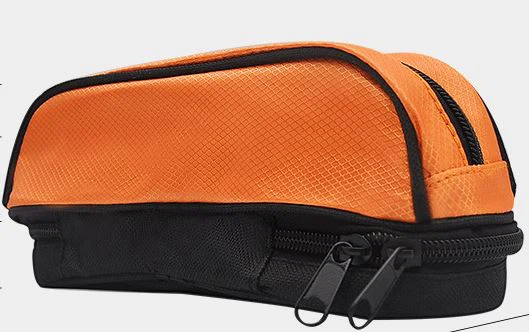
Polyester is a synthetic fiber known for its durability, strength, and resistance to wrinkles and shrinking. These properties make it an excellent choice for bag manufacturing. Polyester bags can be found in many forms, from simple tote bags to more specialized ones like Stationery Pencil Bag.
Many studies have shown that polyester has a relatively low specific gravity compared to other materials used in bag production. Specific gravity is the ratio of the density of a substance to the density of a reference substance (usually water). A low specific gravity implies that for a given volume, polyester will weigh less.
Advantages of Polyester Bags in Terms of Weight - to - Capacity
1. Lightweight Construction
Polyester fibers are intrinsically lightweight. When constructing a bag, manufacturers can utilize thin layers of polyester fabric without sacrificing strength. For example, a medium - sized polyester tote bag can weigh as little as a few ounces, yet it can have a capacity to hold several pounds of items such as books, laptops, and daily essentials. This allows users to carry a large amount of goods without being burdened by the weight of the bag itself.
2. High Tensile Strength
Tensile strength refers to the maximum stress a material can withstand while being stretched or pulled before breaking. Polyester has a high tensile strength, which means that even thin polyester fabrics can support a significant amount of weight. This enables the creation of bags with large capacities that are still lightweight. For instance, a polyester backpack designed for hiking can carry a heavy load of camping equipment, food, and clothing, but due to the material's high strength - to - weight ratio, the bag itself doesn't add an excessive amount of weight to the hiker's burden.
3. Versatility in Design
The flexibility of polyester allows for a wide range of design options. Manufacturers can create bags with multiple compartments and pockets, increasing the overall capacity of the bag without significantly increasing its weight. For example, a Stationery Pencil Bag can be designed with different sized compartments to hold pencils, pens, erasers, and small notebooks, all within a lightweight and compact structure.
Comparing Polyester Bags with Other Materials
Polyester vs. Leather
Leather is a traditional material for bag production. While leather bags are often associated with quality and style, they tend to have a lower weight - to - capacity ratio compared to polyester bags. Leather is a relatively heavy material, and as the size and capacity of a leather bag increase, so does its weight significantly. In contrast, polyester can achieve similar or even greater capacities with much less weight.
Polyester vs. Cotton
Cotton is a natural fiber used in many bags. Although cotton is soft and breathable, it has some limitations in terms of weight - to - capacity. Cotton fabric is prone to stretching and may require a thicker layer to achieve a certain level of strength, which in turn increases the weight. Polyester, on the other hand, can maintain its shape and strength with thinner layers, resulting in a better weight - to - capacity ratio.
Practical Applications and Customer Demand
The high weight - to - capacity ratio of polyester bags makes them suitable for a wide range of applications. For students, lightweight polyester backpacks are ideal for carrying textbooks, laptops, and other school supplies. Business travelers benefit from polyester briefcases that can hold documents, laptops, and accessories without being too heavy to carry around.
Consumers today are increasingly conscious of the practicality and efficiency of their belongings. They are looking for bags that can carry a lot but are not a chore to transport. Polyester bags, with their excellent weight - to - capacity ratio, meet this demand perfectly.
Quality Control in Manufacturing
To ensure that our polyester bags maintain a good weight - to - capacity ratio, we at our company implement strict quality control measures. We use high - quality polyester materials and advanced manufacturing techniques. During the production process, we regularly test the strength and weight of the bags to make sure they meet or exceed the expected standards.
Conclusion
In summary, polyester bags do indeed have a good weight - to - capacity ratio. The lightweight nature of polyester, combined with its high tensile strength and versatility in design, allows for the creation of bags that can hold a substantial amount of items without being overly heavy. Whether you're a student, a businessperson, or an outdoor enthusiast, polyester bags offer a practical and efficient solution for your carrying needs.
If you're interested in our polyester bags, including our Stationery Pencil Bag, we invite you to contact us for more information and to discuss your procurement requirements. We're confident that our products will meet your expectations in terms of quality, capacity, and weight.
References
- Engineering Materials Handbook: Composites, ASM International
- Textile Science and Technology, Elsevier
- Research on Synthetic Fibers and Their Applications, Academic Press